




On Grand Bahama Island,
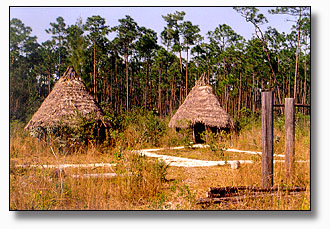
the sea has always provided. The earliest settlers, the Siboney Indians,
were a people who lived off conch and fishing, and the shells and jewelry
they left behind form the majority of what we know about them. Their remains
suggest that they were here as early as 7,000 years ago, but disappeared
after they were superceded by another Caribbean group, the Lucayans.
 Skulls
and artifacts have been found in the caves at Lucayan
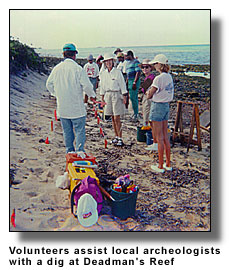
National Park, and a significant new archeological site recently discovered
near Deadman's Reef has uncovered hearths, animal bones, pottery
pieces, and shell beads.
Skulls
and artifacts have been found in the caves at Lucayan
National Park, and a significant new archeological site recently discovered
near Deadman's Reef has uncovered hearths, animal bones, pottery
pieces, and shell beads.
HOME | THE ISLAND | NATURE
| HISTORY | PEOPLE | WHAT
TO DO |
|
|
This
page, and all contents of this Web site are Copyright |